
Safety as a precondition to economic opportunity
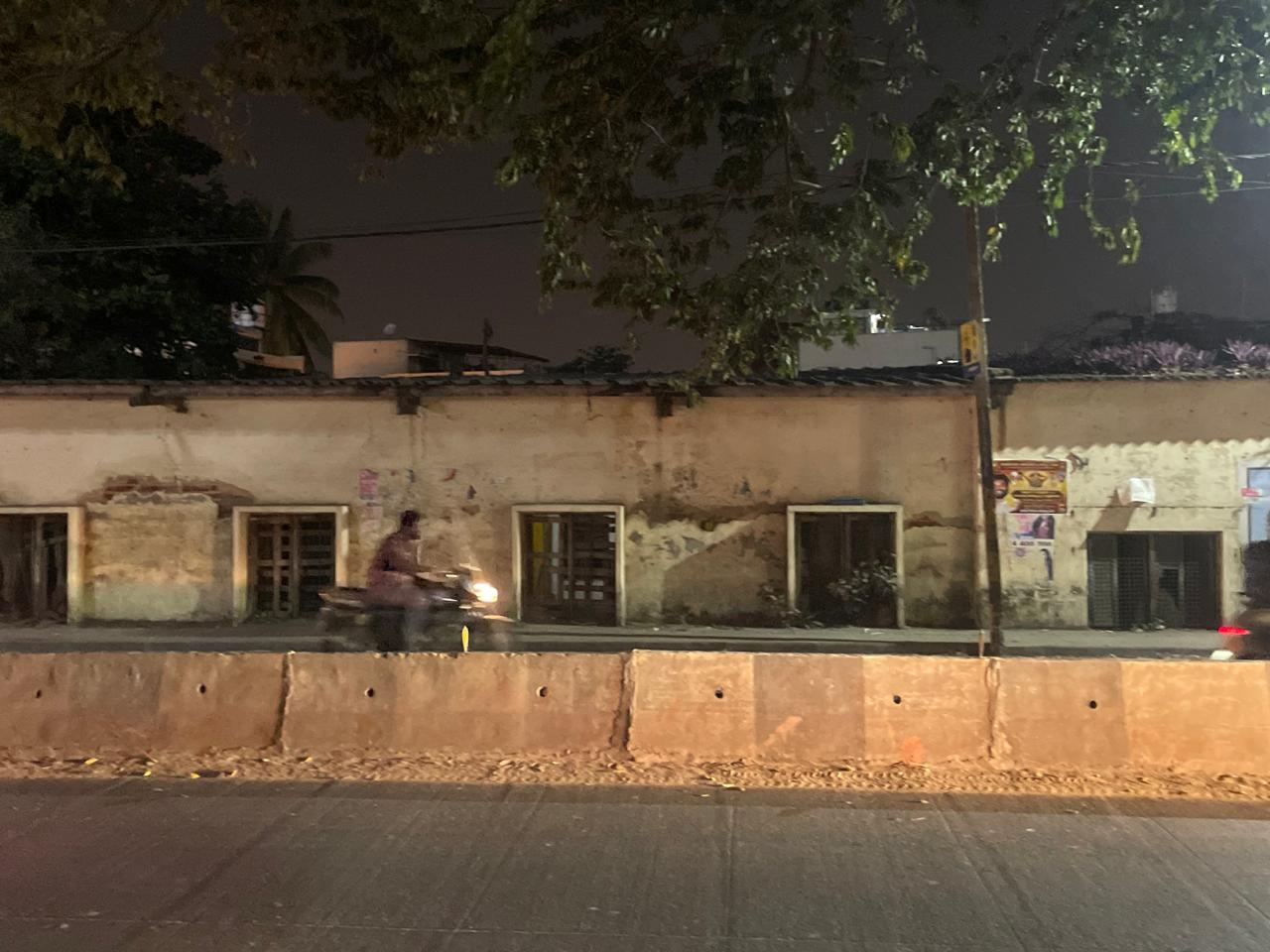
Women’s economic ‘empowerment’ is often framed in terms of jobs, income, and skills. But there is a more fundamental question we must ask: who has the freedom to access public space safely enough to pursue these opportunities?
The relationship between safety and economic participation is not incidental. Safety shapes mobility; mobility shapes access to jobs, markets, training, and professional networks; and access, in turn, shapes women’s economic opportunities and earnings. In this sense, safety is not simply an outcome of empowerment but a precondition for it.
Across urban and rural contexts, women’s mobility is shaped by the constant negotiation of risk. (Phadke et al., 2011). This affects where they go, when they travel, what work they take up, and whether they remain in the workforce at all. The result is not just restricted movement, but systematically constrained economic participation.
Our recent survey with 229 women, many of them skill trainers such as tailors and beauticians, reflects this complexity. While the most commonly cited barrier to employment was the lack of opportunities close to home (143 women shared this), a significant number of women also pointed to limited mobility (72 women), and unsafe travel conditions as reasons they could not take up or sustain work. These are not separate issues, they are deeply interconnected.
This demand for employment close to home reflects mobility constraints rather than just a preference for proximity. Women frequently seek work nearby because travelling longer distances can involve safety risks, social scrutiny, higher transport costs, and challenges in balancing unpaid care responsibilities. The absence of nearby opportunities therefore reveals not only labour market gaps but also the gendered barriers that restrict women’s access to wider economic opportunities.
Safety in public spaces is not just about protection from violence; it determines mobility, time use, and ultimately, economic participation. When women cannot travel freely, take public transport, or work flexible hours, their access to livelihoods becomes structurally limited.
At the same time, women’s economic participation is shaped by the unequal distribution of unpaid care work. Responsibilities for childcare, elder care, and household labour often limit the distance women can travel, the hours they can work, and the types of jobs they can pursue. Understanding economic participation therefore requires examining the intersection of safety, mobility, and care rather than treating them as separate challenges.
Now, what happens to those women whose workplaces are public spaces?
For women whose livelihoods are embedded in public spaces: street vendors, waste pickers, domestic workers, gig workers, their income depends on visibility, presence, and mobility. Yet, these are precisely the conditions under which they face heightened vulnerability to harassment, policing, and social sanction. Safety, for them, is not an abstract right but a daily negotiation that directly impacts their income.
Importantly, when we asked women what would help them feel more confident and empowered, their responses did not isolate “economic” needs from “social” ones. Yes, many asked for skill training and financial support. But equally, they emphasised the need for family support, safer community spaces, and the ability to participate more freely in public life. Similarly, when thinking about accessing better work, safe transportation and social encouragement emerged alongside training and financial assistance.
Access, then, is not neutral. It is deeply gendered, and further shaped by caste, class, and religion. Marginalised women often face heightened surveillance, harassment, and exclusion, making their presence in public spaces more precarious and contested (Phadke et al., 2011). Women working in informal occupations face additional vulnerabilities due to insecure working conditions and limited institutional protections. Understanding access requires us to recognise how multiple forms of inequality intersect to shape women’s experiences of ‘work’.
Yet, many economic empowerment programs continue to focus on skills training or financial inclusion (of course, very important) without addressing these structural barriers. This creates a fundamental disconnect: we prepare women for work without ensuring they can safely reach or sustain it. This disconnect stems from the tendency to treat safety as a social issue and livelihoods as an economic one, instead of seeing these as two inseparable issues. When women cannot move safely through public spaces, participate in community life, or access transport systems, economic opportunities remain out of reach regardless of the skills or financial resources available to them.
In our work, we have found that addressing this requires a more integrated approach that moves beyond individual capacity and engages with the systems and relationships that shape women’s lives. Here’s the the 3E approach we’ve taken:
Empower: This is supporting women to negotiate within their households and communities, to make decisions about work, and to imagine livelihoods beyond what is traditionally deemed acceptable. It is about recognising that agency is relational and that economic independence often begins with the ability to assert choice at home.
Equip: To go beyond skills training. It includes building awareness of rights and laws, while also working at a systemic level with institutions such as municipal bodies like BBMP to ensure that the environments in which women work are enabling rather than exclusionary. This shifts the burden away from individual women “managing” safety, towards systems that are accountable for it.
Public spaces are being purposely built to be unsafe. They are shaped through decisions about urban design, transport systems, lighting, maintenance, policing, and governance. Creating safer environments therefore requires institutional accountability and gender-responsive planning rather than expecting individual women to adapt to conditions that exclude them.
Engage: This is about building the social ecosystems that make work sustainable. This includes fostering allyship, creating moments of joy and solidarity in workplaces, and enabling collective strategies, whether it is women supporting each other with childcare, showing up together in public spaces, or simply building a se\nse of belonging and visibility.
A critical part of this work is engaging men, not as peripheral supporters, but as active participants in enabling women’s safety and economic opportunity. Men often shape the terms of women’s mobility within households, workplaces, and public spaces. Decisions about whether women can travel, work late, or take up certain jobs are frequently negotiated with or controlled by male family members. At the same time, men dominate many public-facing roles—drivers, vendors, security personnel, municipal workers where their everyday actions can enable safety and mobility.
Engaging men is about building their capacity to act differently in concrete situations: to recognise harassment, to intervene safely, to support women’s mobility, and to challenge norms within their own circles. When men become active bystanders and allies, safety begins to function as shared responsibility rather than an individual burden. This has direct implications for economic participation because women can then move with greater confidence and less risk (or maybe take risk).
So, what we also really need for economic opportunity and justice is not investment in livelihoods in isolation, but also investment in safer public infrastructure, gender-responsive planning, and community-based accountability systems. This means transforming the conditions under which women access, occupy, and move through public space.