
What Makes a ‘safe space’ safe?
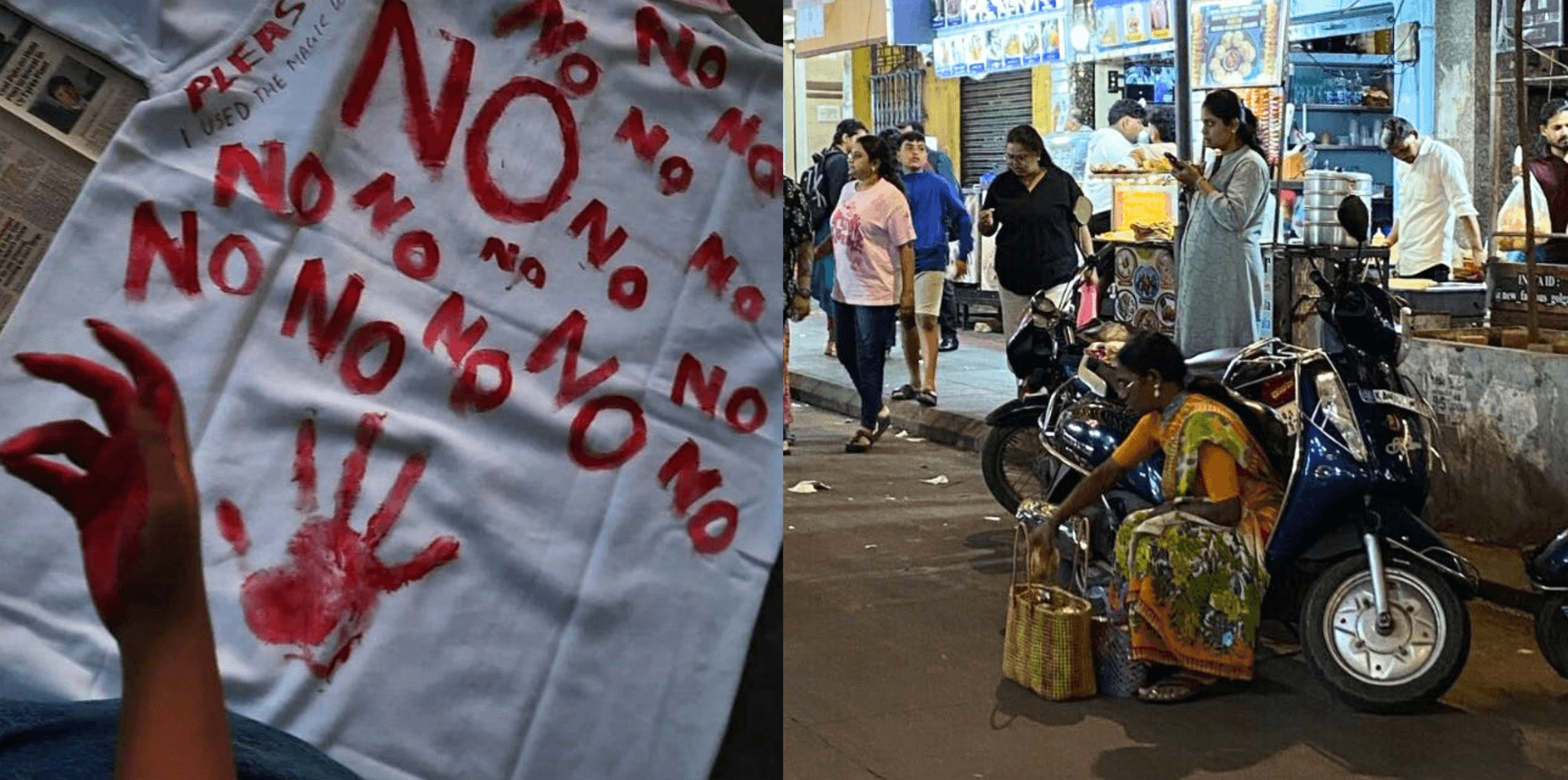
“You can open up, there are no judgments. This is a safe space.” Is it truly safe? Safe for whom? What is ‘safe’?
The term ‘safe space’ is often used to describe environments where individuals can exist without fear of discrimination, harassment, or violence. But safety is not universal. It is deeply subjective and shaped by identity, history, context and hegemony. What feels safe to one person may feel exclusionary, even threatening, to another. An oppressor-caste cisgender man may feel safe in a well-lit park patrolled by police, while a racialised/communalised person may associate that same space with surveillance, profiling, and/or harm.
Safety is often constructed through power. Who defines safety? Who enforces it? And for whom is it enforced? Feminist scholar Doreen Massey writes, “Space is not static; it is always under construction.” Safe spaces, then, must be understood as relational and contingent, shaped by the identities of those within them, and by histories of exclusion and access. In many public and institutional spaces, safety is designed around the comfort of dominant groups whether defined by race, gender, caste, ability, religion, or class. This leads to exclusionary practices that reinforce systemic inequities, often in the name of neutrality or order. A space cannot be considered safe or just unless it takes into account these overlapping identities. A single-issue approach risks protecting one group while rendering others invisible. As Black feminist scholar bell hooks reminds us, “What we cannot imagine cannot come into being.” Safe spaces, at their most transformative, are imaginative acts, radical reimaginings of who belongs, who leads, and whose pain or joy is centered.
To build a truly just space, we must move beyond comfort toward equity. This involves naming power, centring the voices of those most impacted by harm, and co-creating norms, structures, and cultures of accountability. It means recognising that safety is not just about the absence of violence, but the presence of dignity, autonomy, and belonging.
Ultimately, a safe space is not a static destination; it’s an ongoing, collective practice rooted in justice.